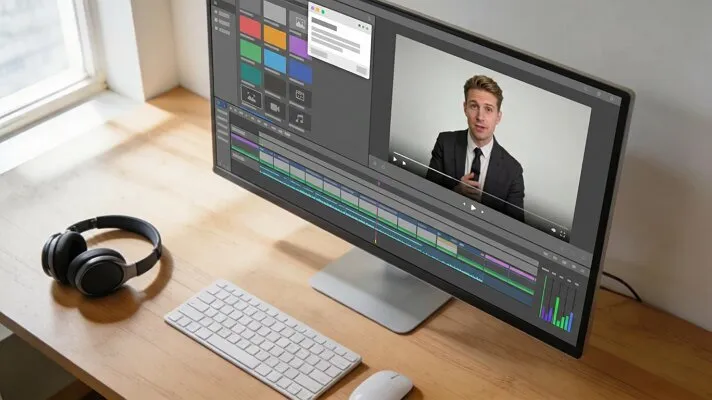
The AI video landscape is shifting rapidly following the shutdown of the Sora app by OpenAI. Once seen as a breakthrough in AI video generation, Sora set new expectations for what text-to-video tools could achieve, with cinematic quality and highly coherent outputs.
However, its shutdown highlights a more fundamental issue: generating videos is not the same as building a scalable content workflow.
As a video creator, this distinction becomes obvious in real production environments. Creating a single impressive clip with an AI video generator is relatively easy. But producing consistent, structured content at scale, whether for YouTube, social media, or training, quickly exposes the limitations of generation-first tools.
That’s why searching for a “Sora alternative” in 2026 is no longer about finding a similar AI video tool. Instead, it’s about identifying platforms that support repeatable workflows, content consistency, and production efficiency.
In this guide, I’ll break down five of the best Sora alternatives available today, focusing on what actually matters for creators: usability, scalability, and long-term content growth.
What Creators Actually Need (That Sora Didn’t Solve)
Sora was powerful, but it was built around a simple model: prompt in, video out. That works well for demos, but not for creators managing ongoing content pipelines.
In practice, video creation involves multiple stages:
- scripting and structuring ideas
- breaking content into scenes
- maintaining narrative consistency
- editing and refining output
Without support for this workflow, creators end up repeating the same process manually, which quickly becomes inefficient.
This is where newer tools are evolving. Instead of focusing only on generation quality, they are starting to support end-to-end production systems, which is far more valuable for anyone trying to grow an audience or manage content at scale.
5 Best Sora Alternatives for Video Creators in 2026
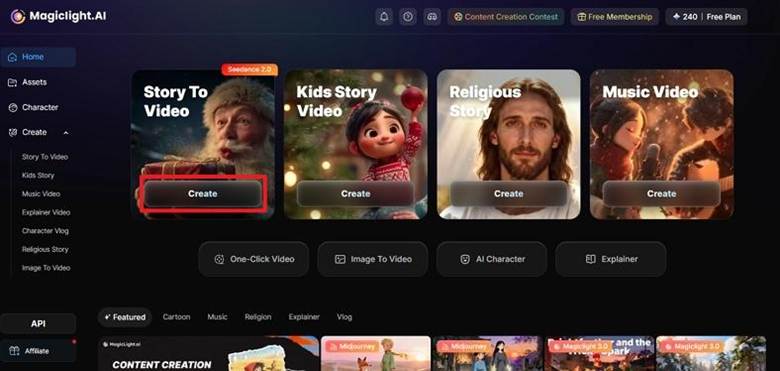
1. Magiclight.ai — Best for Scalable Video Production
Among all the tools available, Magiclight.ai feels the most aligned with how creators actually work.
Instead of treating video generation as a one-step output, it structures the process into a pipeline: from script to storyboard to final video. One feature that stands out is its “nano-shot” approach, which allows you to break scenes into smaller, controllable units before rendering. This makes iteration far easier compared to traditional prompt-based tools.
Another key difference is its multi-agent system, where different AI components handle scripting, scene planning, and editing. This reduces the amount of manual coordination typically required when producing multiple videos.
For creators working on educational content, YouTube automation, or agency-level production, this kind of structure makes a noticeable difference. Rather than starting from scratch each time, you can build repeatable formats and scale output more efficiently.
2. Runway — Best for Creative Flexibility and Editing
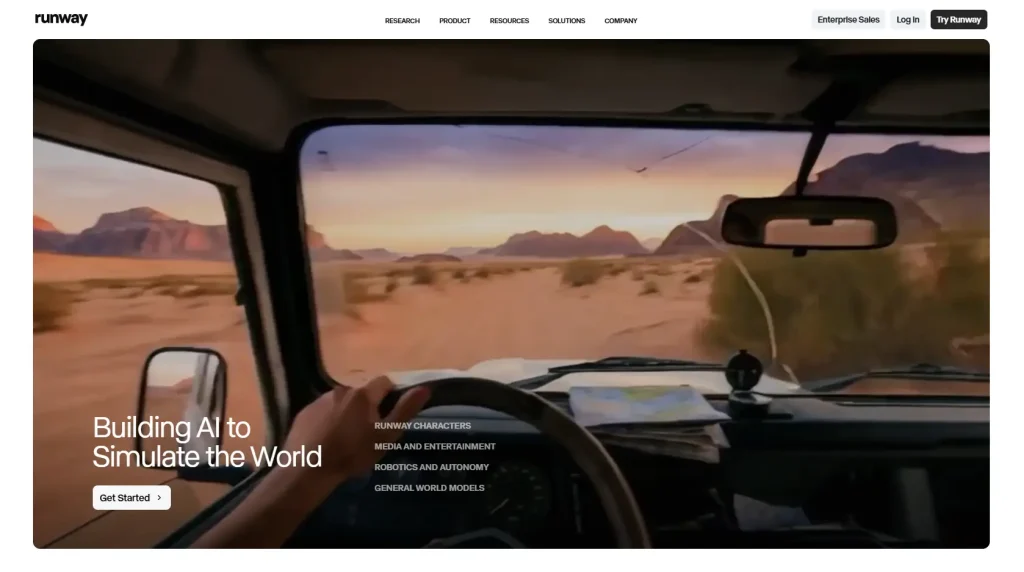
Runway remains one of the most advanced AI video tools, especially for creators who want control over both generation and editing.
Its models (such as Gen-2 and Gen-3) produce high-quality visuals, and the platform includes a range of editing features like motion tracking and background removal. This makes it particularly useful for creators who are blending AI-generated content with traditional video workflows.
However, Runway is less optimized for structured production. While it excels in creative experimentation, managing large volumes of content can become time-consuming, as much of the process still requires manual input.
For filmmakers, designers, or creators focused on high-quality individual pieces, Runway is a strong choice. For high-volume publishing, it may require additional workflow support.
3. Pika — Best for Fast Short-Form Content
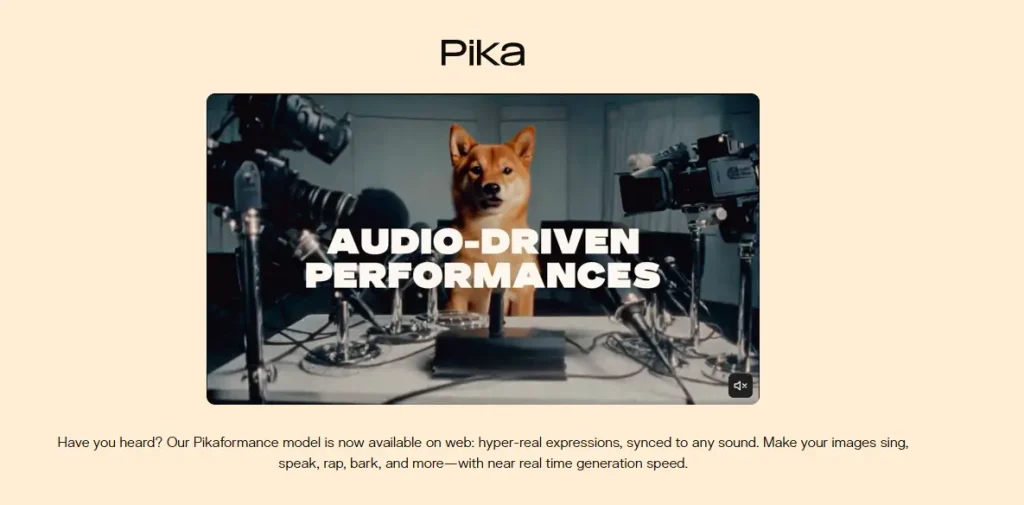
Pika is designed for speed and simplicity, making it a popular option for social media creators.
The interface is easy to use, and video generation is fast, which is ideal for producing short-form content such as TikTok or Instagram Reels. If your goal is to quickly test ideas or respond to trends, Pika fits well into that workflow.
The tradeoff is depth. Maintaining consistency across multiple videos or building a structured content series can be challenging. As a result, it works best as a tool for rapid experimentation rather than long-term production.
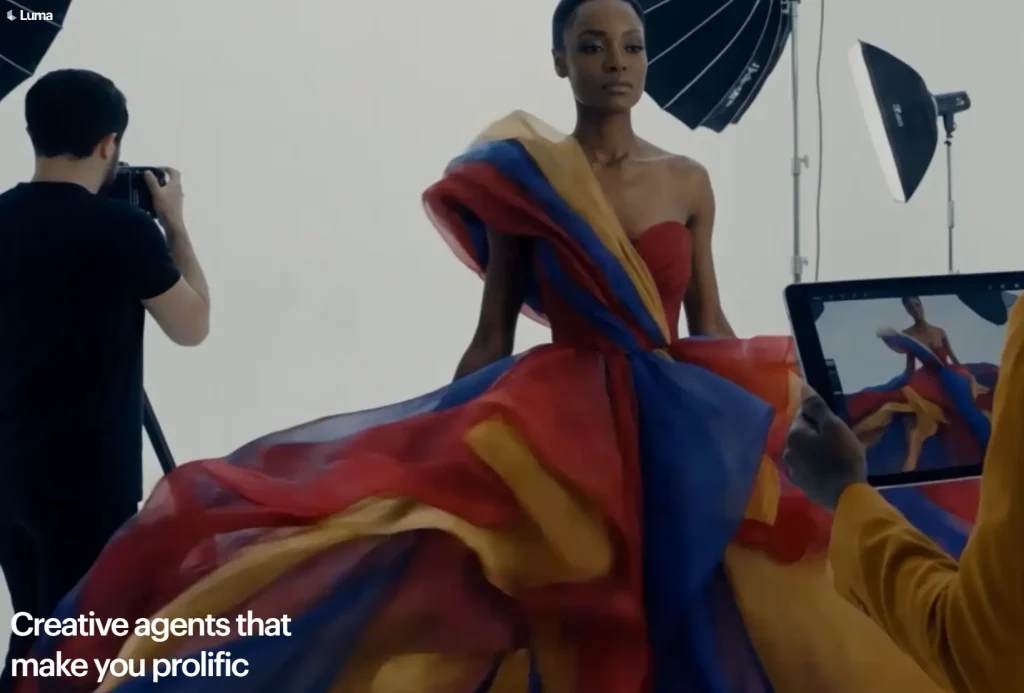
4. Luma AI (Dream Machine) — Best for Visual Realism
Luma AI’s Dream Machine stands out for its ability to generate realistic motion and cinematic camera movements. In terms of visual output, it is one of the closest tools to what Sora originally promised.
For creators focused on aesthetics or storytelling visuals, this can be a major advantage. The generated clips often feel more dynamic and natural compared to other platforms.
That said, the workflow is still evolving. There are fewer built-in tools for editing, structuring, or scaling production, which means creators may need to rely on external tools to complete their pipeline.
5. Synthesia — Best for Structured and Business Content
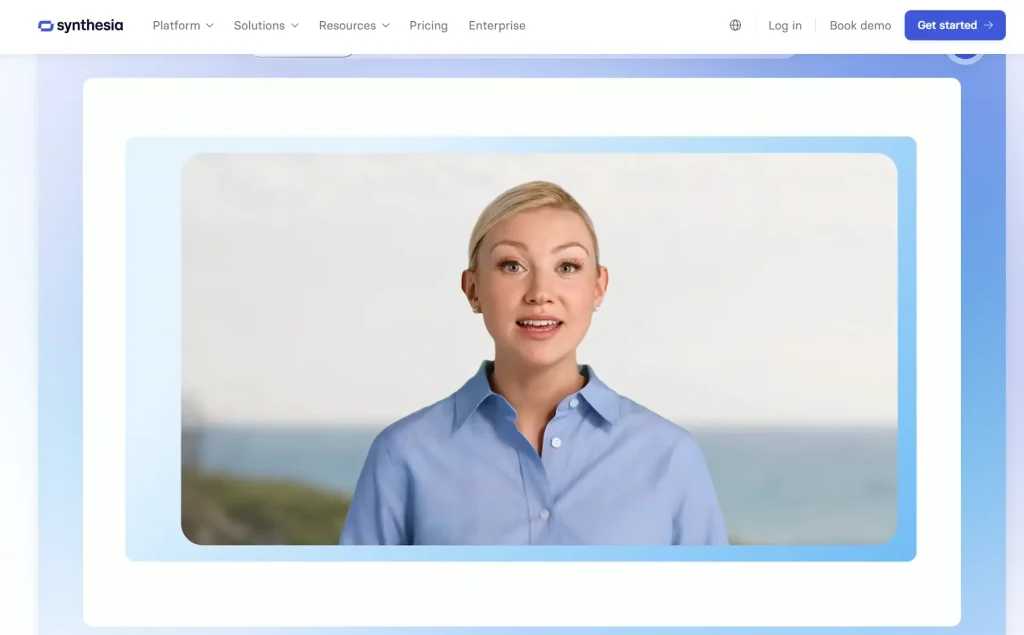
Synthesia approaches video creation from a completely different angle. Instead of focusing on cinematic output, it specializes in AI avatars and script-based video generation.
This makes it highly effective for training materials, educational content, and corporate communication. The ability to generate videos in multiple languages also adds to its scalability.
While it doesn’t replace creative video tools, it fills an important gap—especially for organizations that need consistent, repeatable content rather than visual experimentation.
Which Sora Alternative Is Right for You?
Choosing the right tool depends less on features and more on your production goals.
If your focus is on building a content system and publishing consistently, tools like Magiclight.ai or Synthesia provide the structure needed to scale. If you prioritize creative control or visual experimentation, Runway and Luma AI are better suited. For fast-moving social content, Pika offers speed and simplicity.
The key is to match the tool to your workflow, rather than trying to adapt your workflow to the tool.
Final Thoughts
Sora’s shutdown doesn’t signal a decline in AI video, but it highlights a shift in what actually matters.
The next generation of tools is moving beyond simple generation and toward complete production workflows. For creators, this is a positive change. It means less time spent rebuilding processes and more time focused on growing content, audiences, and distribution.
Instead of looking for a direct replacement for Sora, it’s more useful to think in terms of capability: which tools allow you to produce consistently, iterate efficiently, and scale output over time.
That’s ultimately what separates experimental tools from those that creators rely on long term.
![15 Top Cartoon Characters of All Time [New List]](https://blog-new.magiclight.ai/wp-2/wp-content/uploads/top-cartoon-characters-300x168.webp)
![9 Best AI Video Generation Models in 2026 [Easy Selection]](https://blog-new.magiclight.ai/wp-2/wp-content/uploads/best-ai-video-generation-models-300x168.webp)